ROLE Principal Designer | TIMELINE 2015 | DESIGN CONTEXT Human Industrial
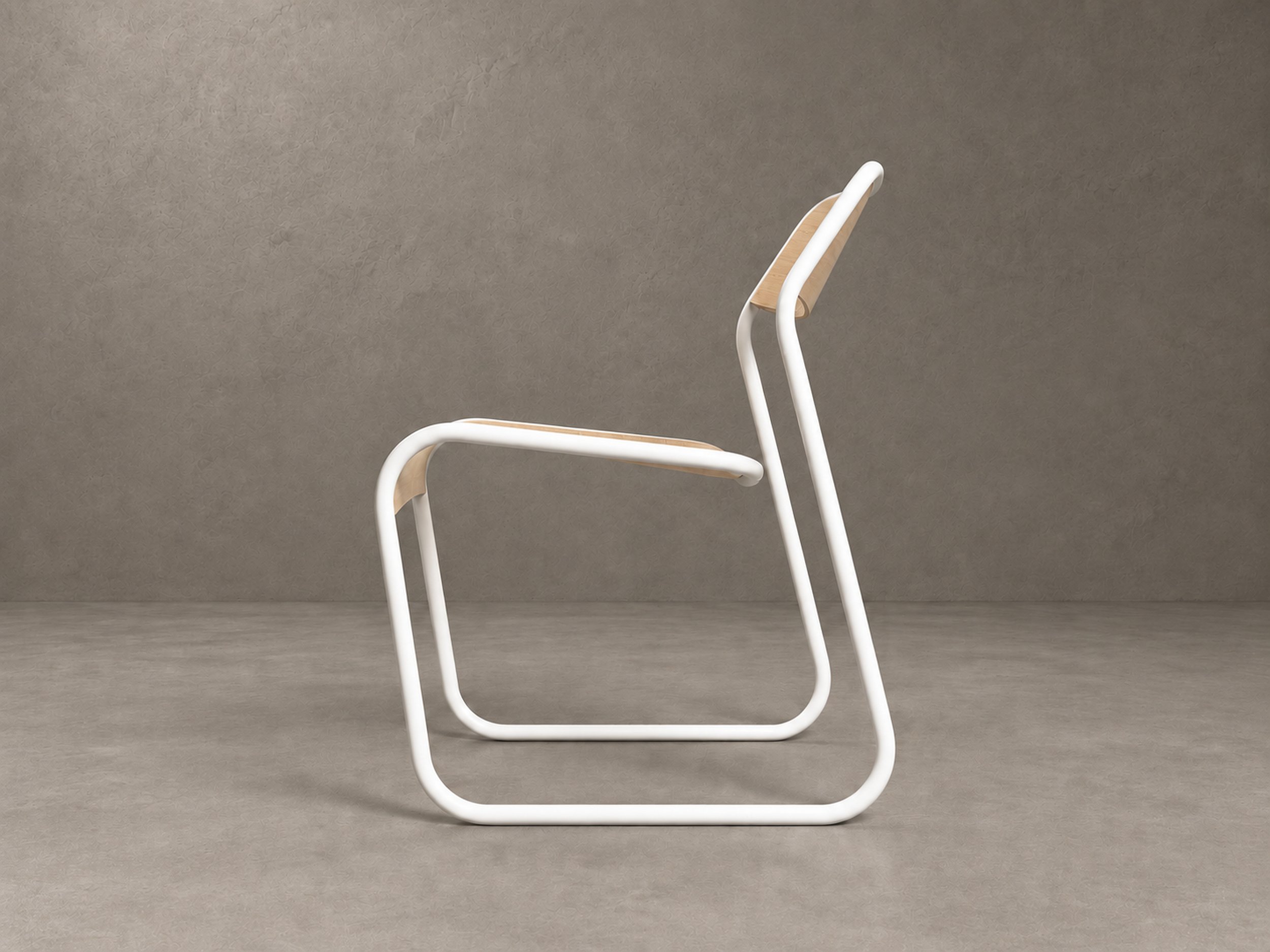
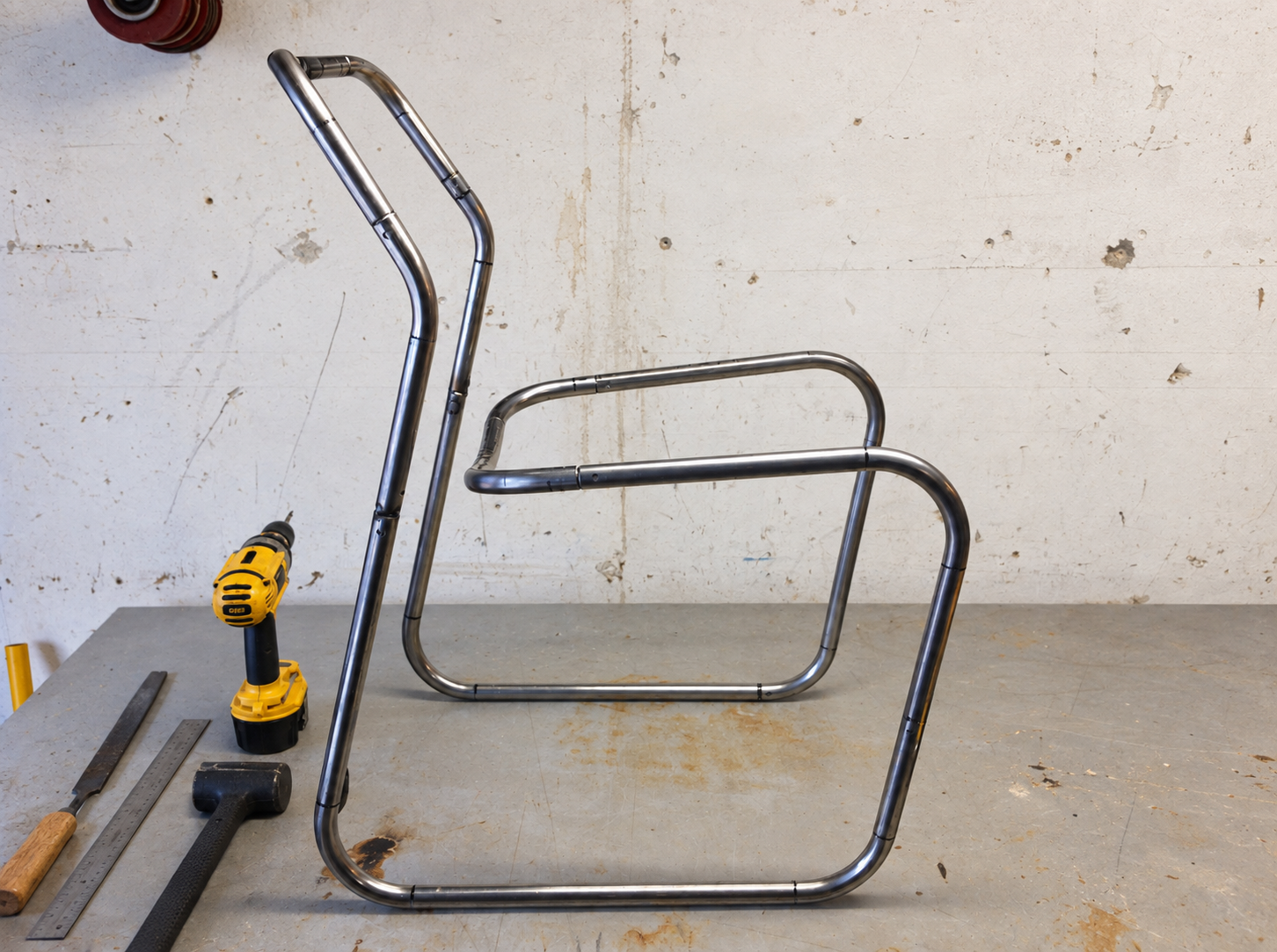
Soma Chair | Soma is a low-volume furniture concept built around a continuous cantilevered chromoly-steel frame and vacuum-formed maple seat and back panels. The frame uses controlled flex to provide movement and support while minimizing the number of components and visible attachment hardware.
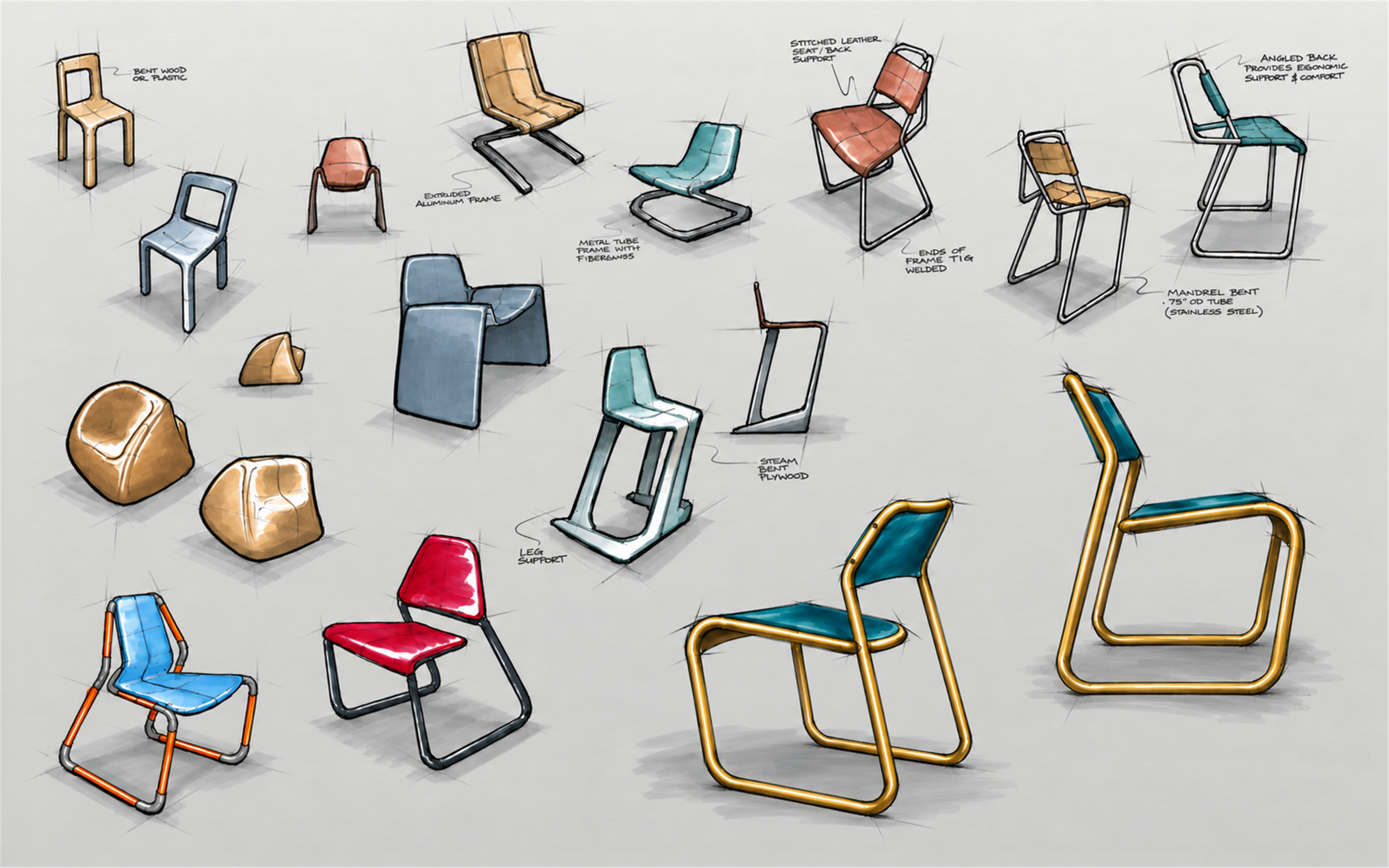
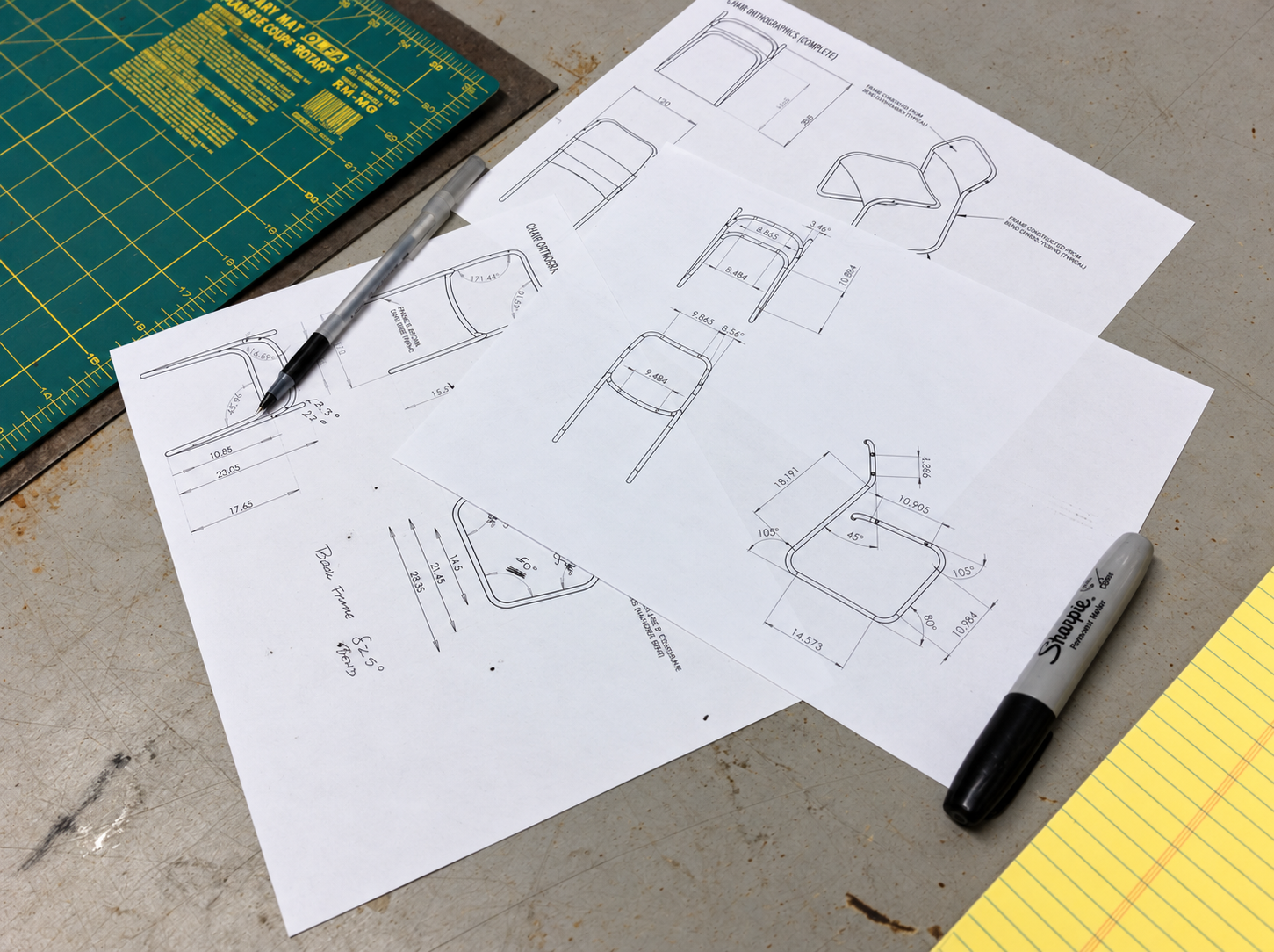
Form Development | Early sketches and scale mockups explored a range of seating architectures, support structures, and relationships between the frame, seat, and back. The selected direction paired a continuous cantilevered tubular frame with separate formed-wood panels, creating a visually simple design suited to low-volume production.
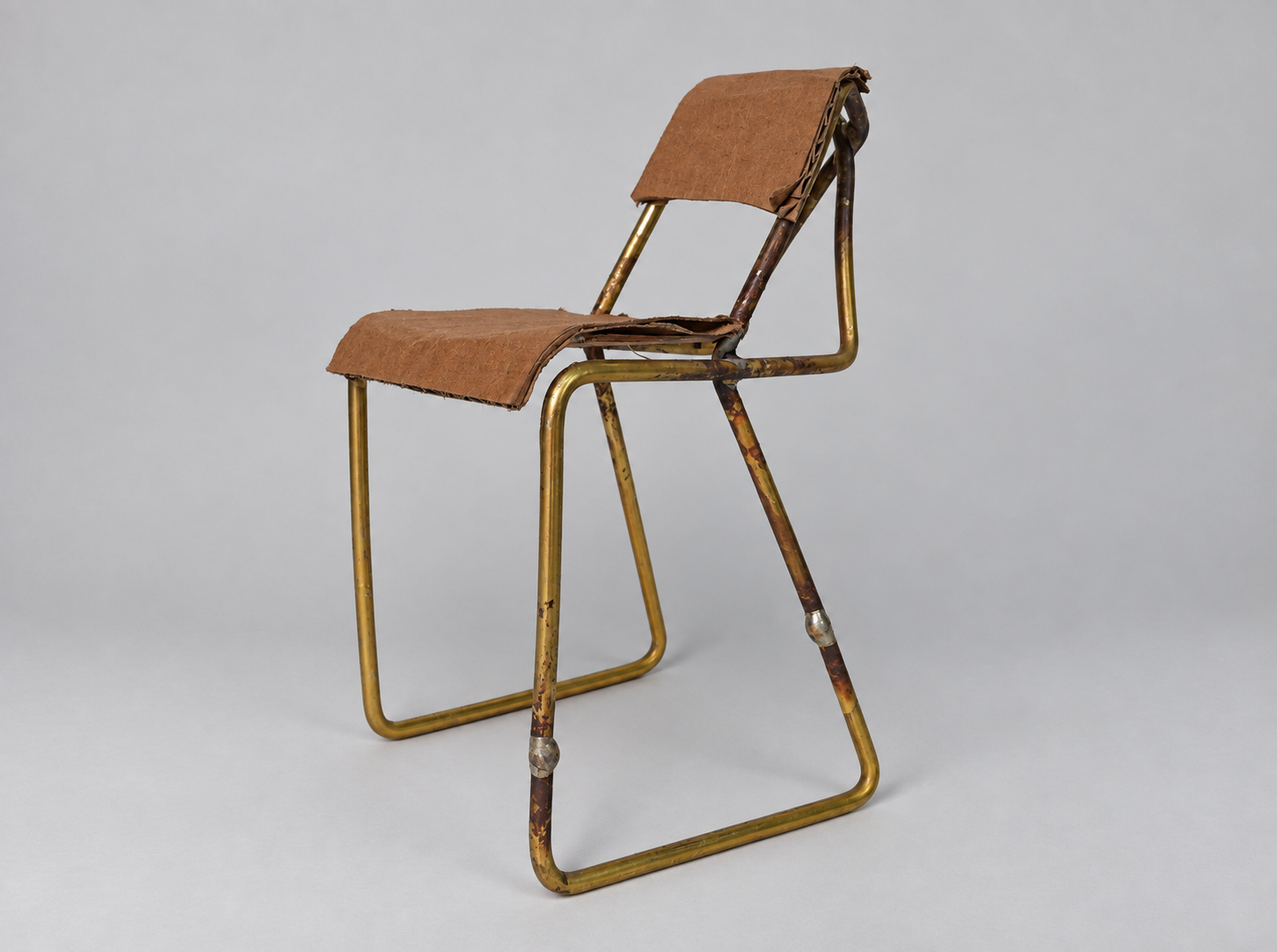
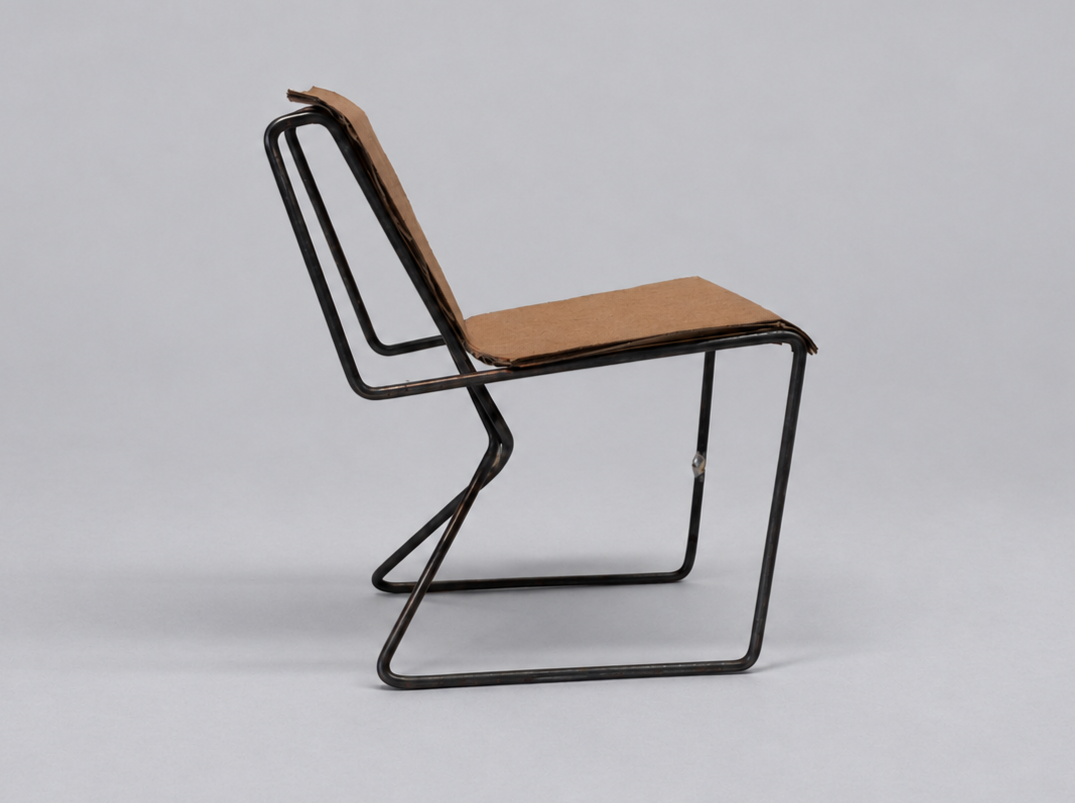
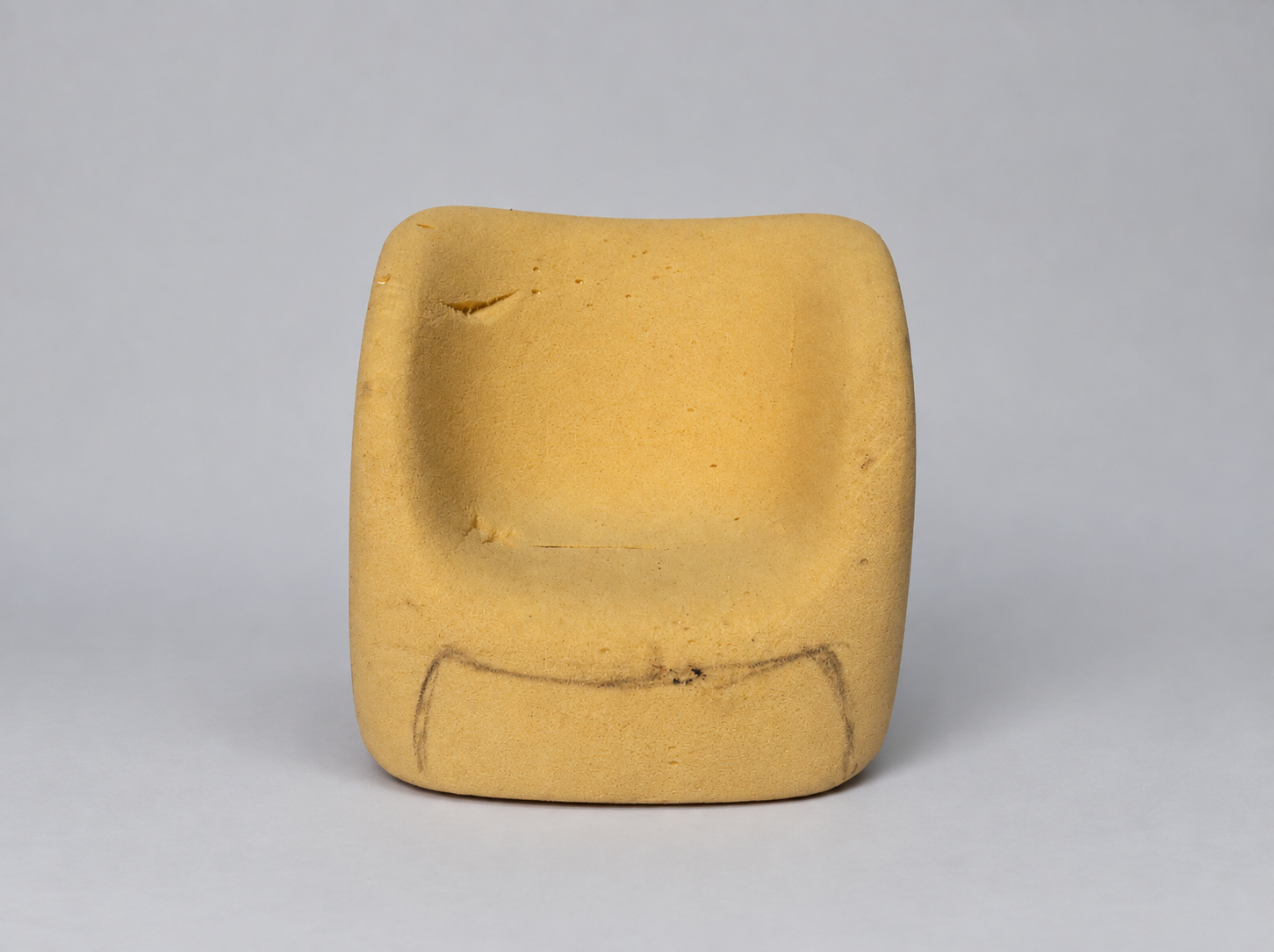
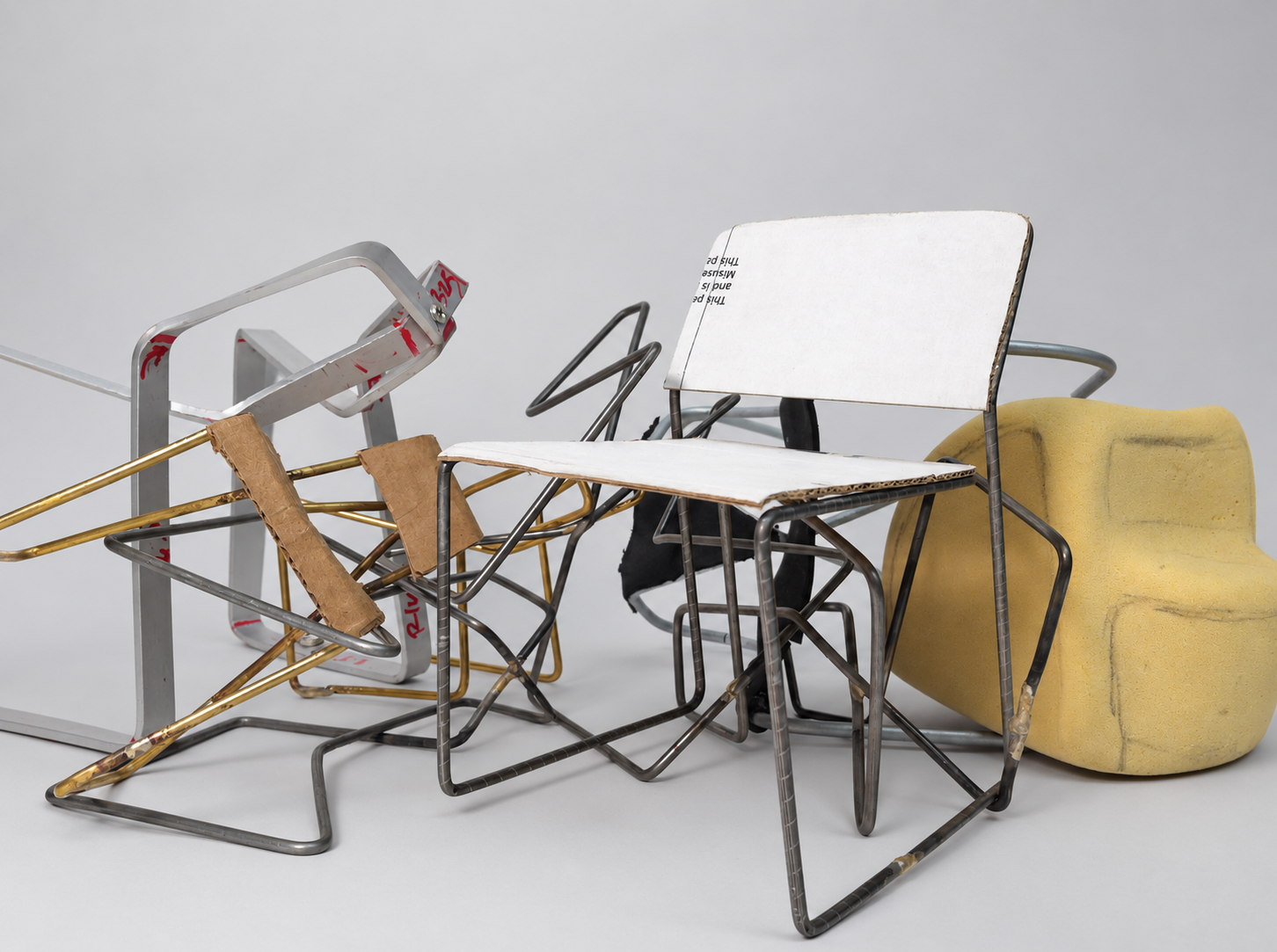
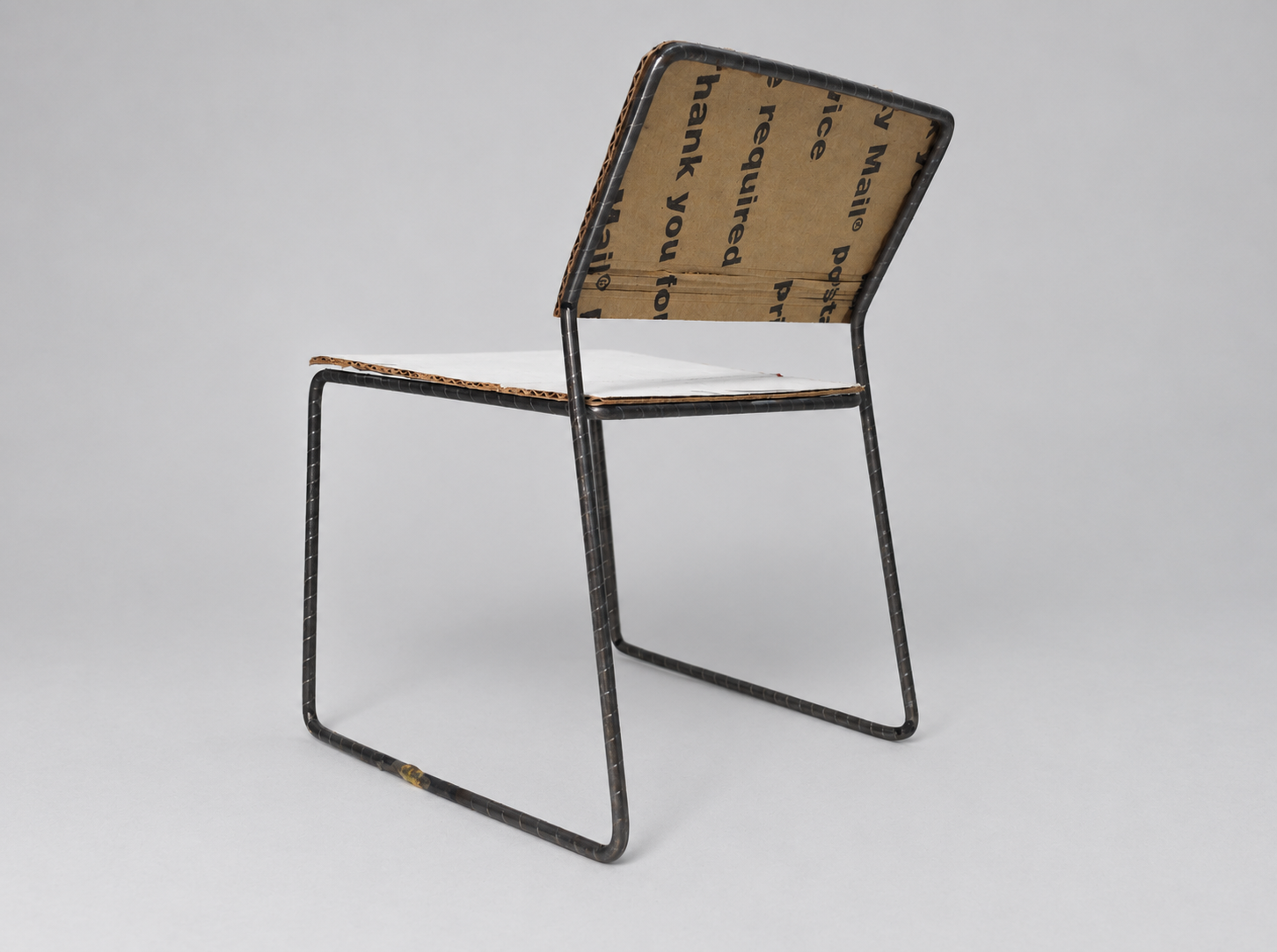
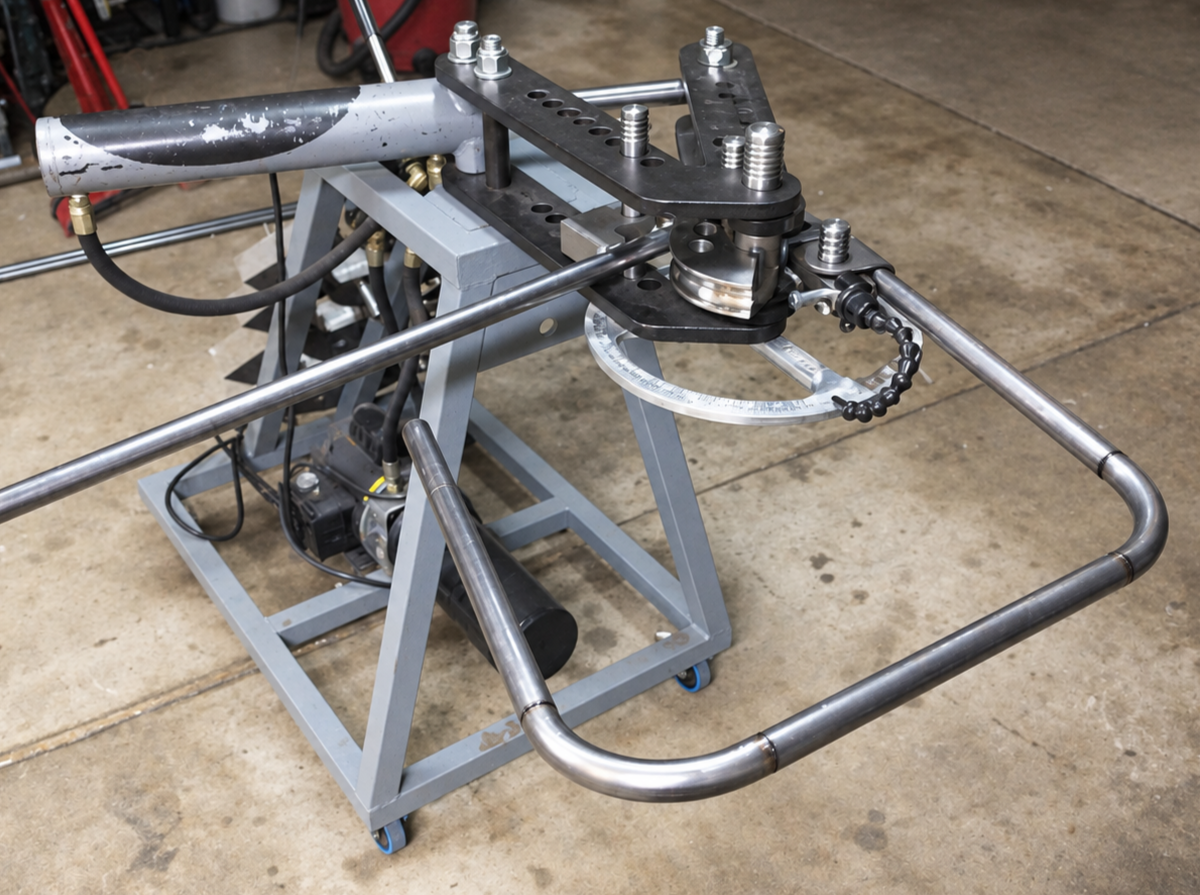
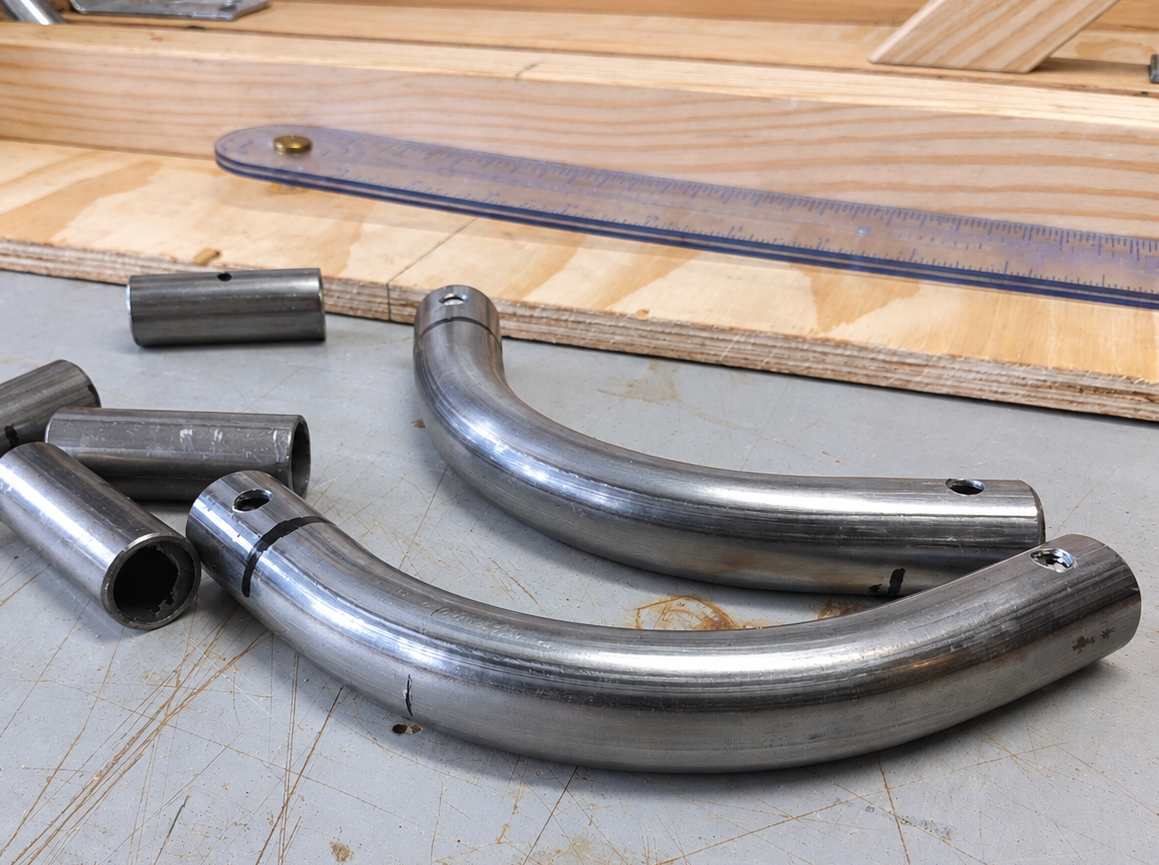
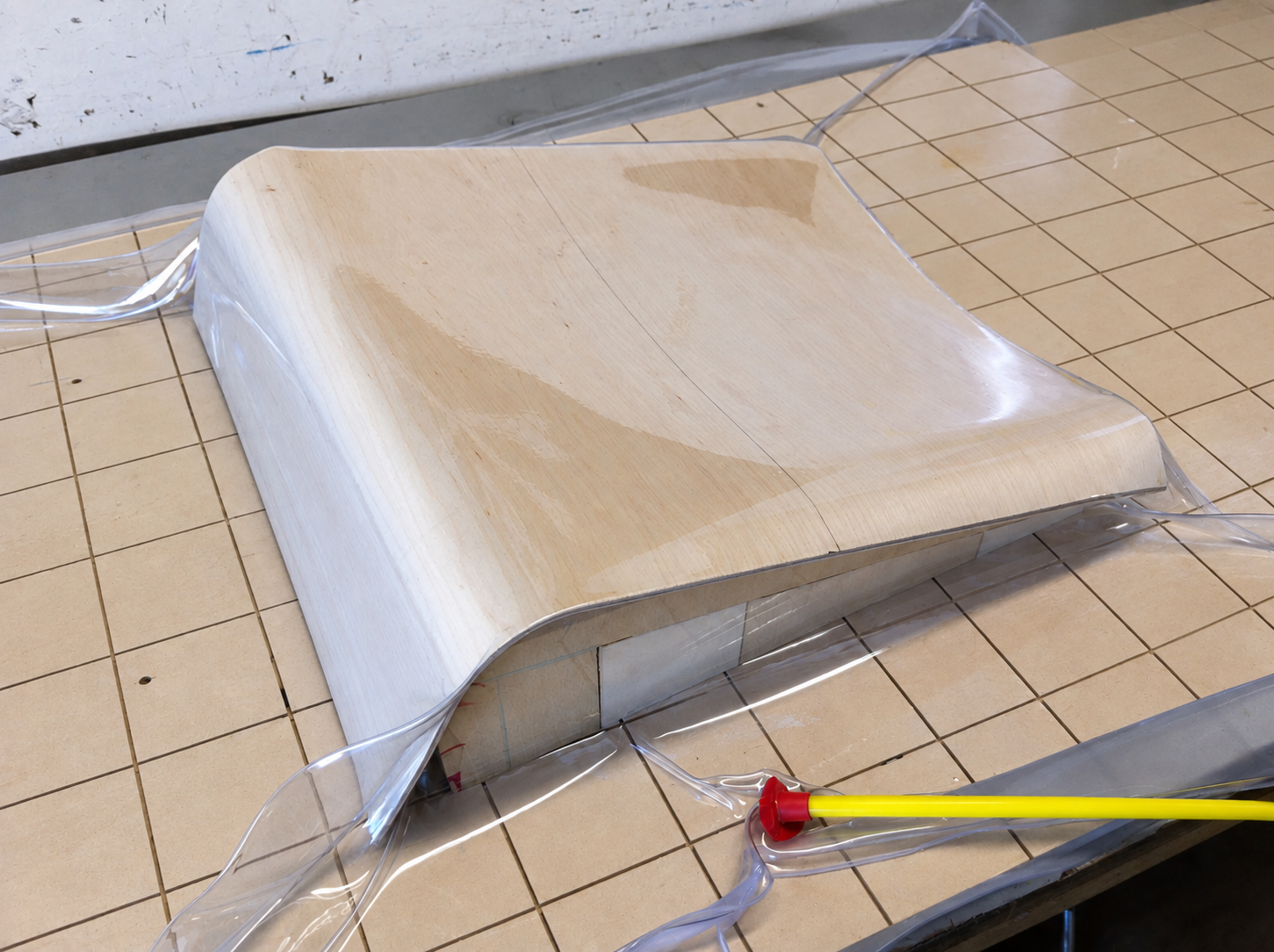
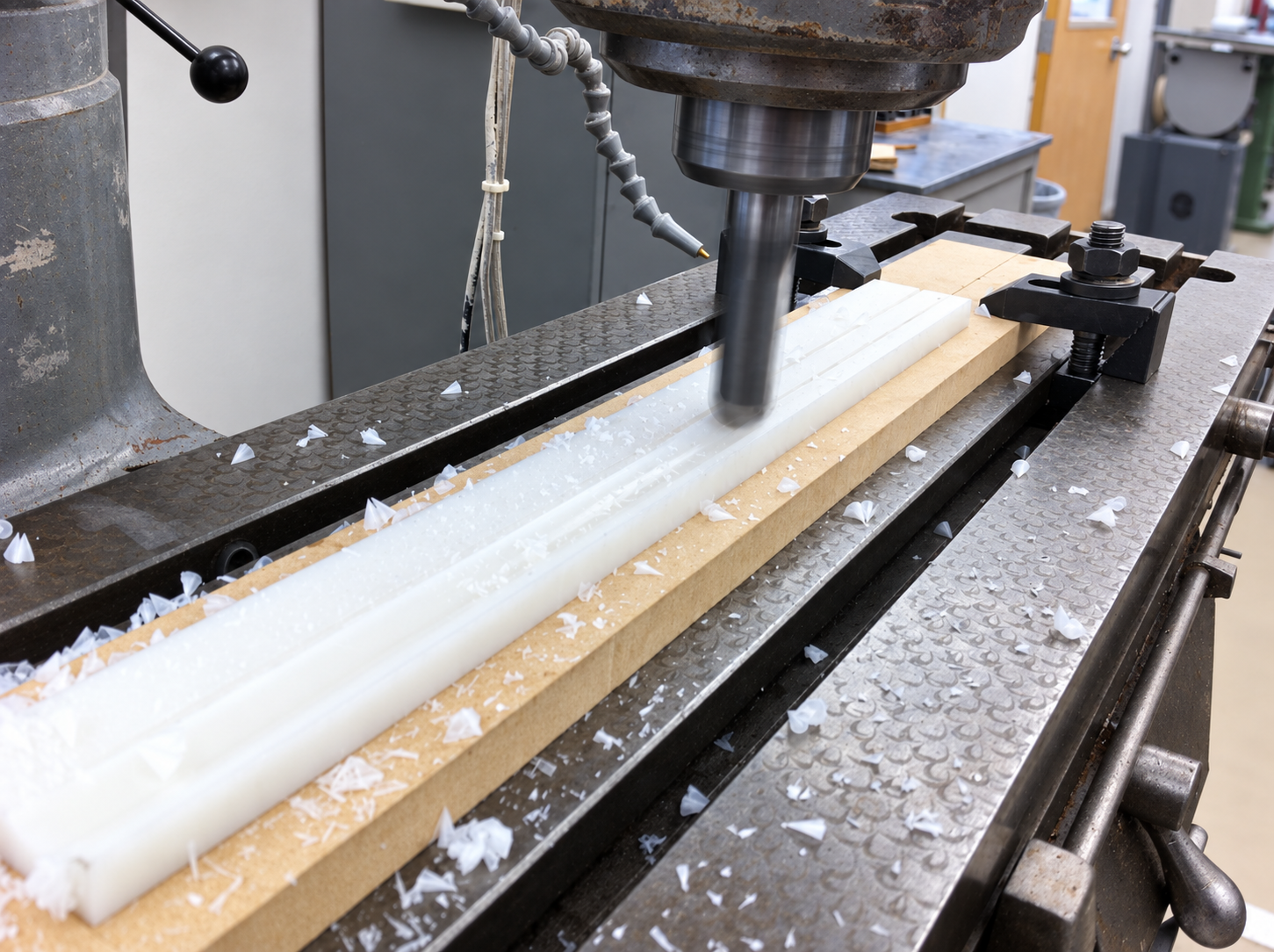
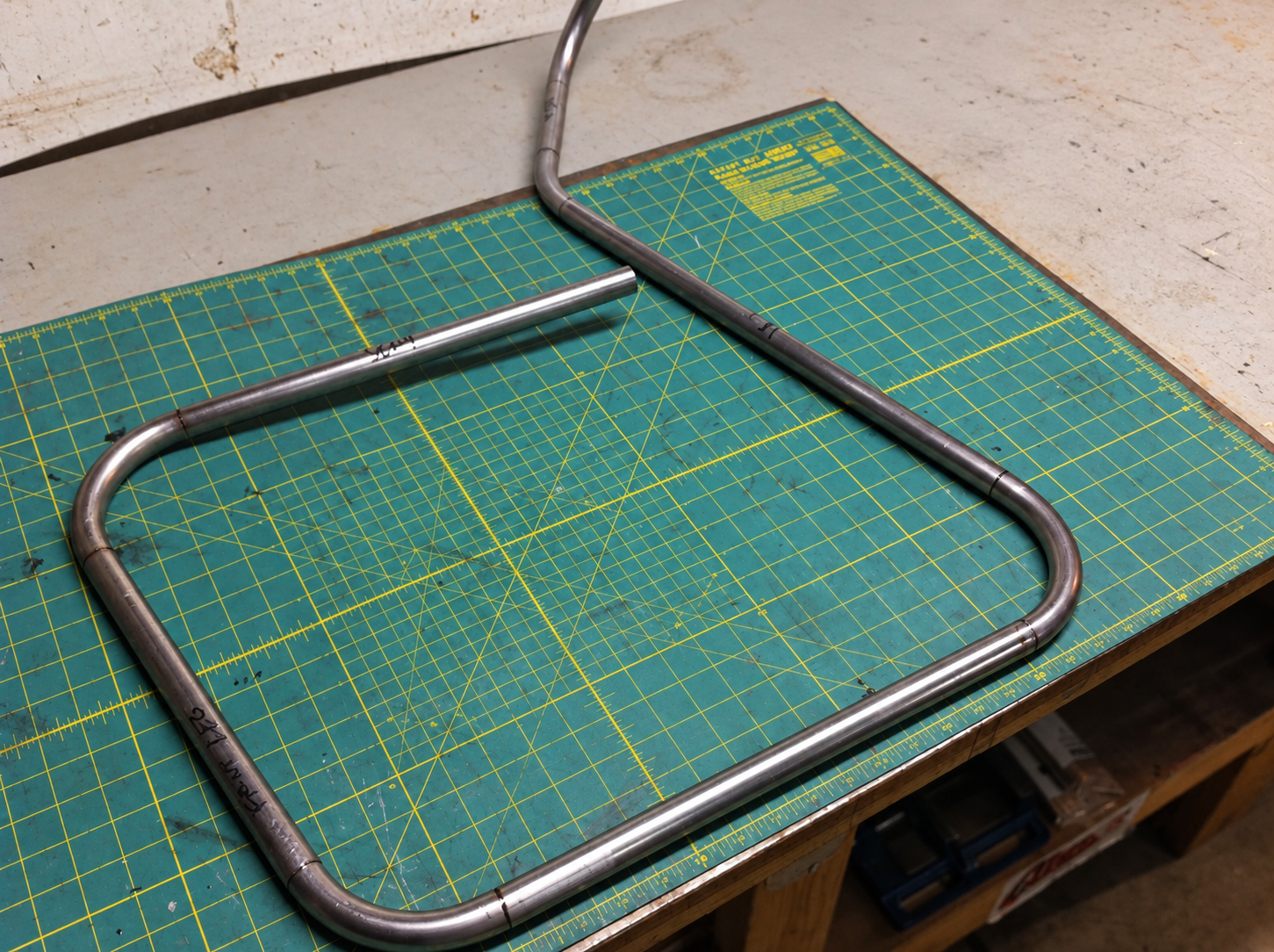
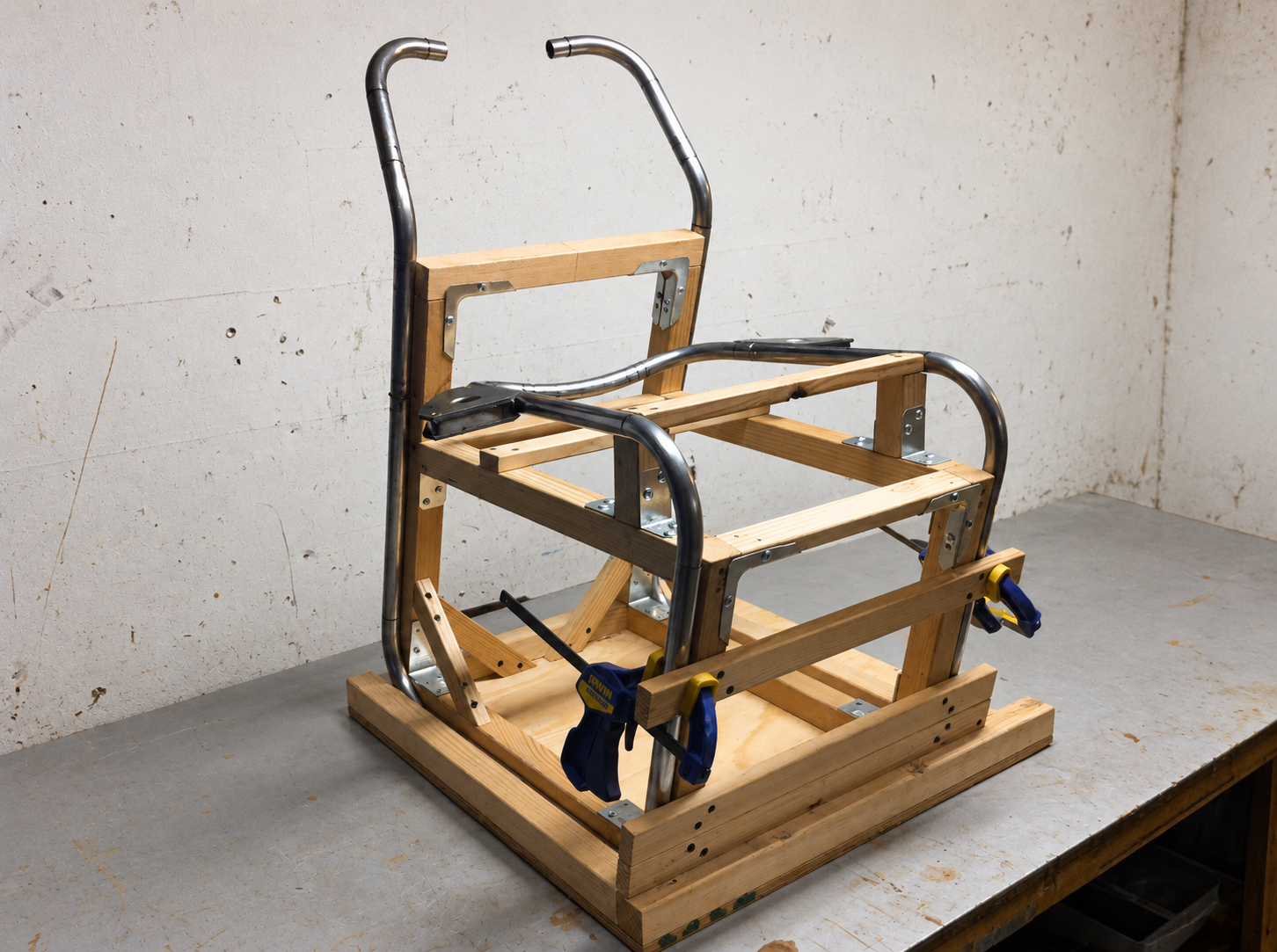
Prototype Development & Fabrication | The final design was developed into a full-scale functional prototype using processes suited to low-volume production. The chromoly frame was mandrel bent, fixture-welded, and finished in low-gloss enamel, while the maple seat and back panels were vacuum formed over custom molds and shaped by hand.
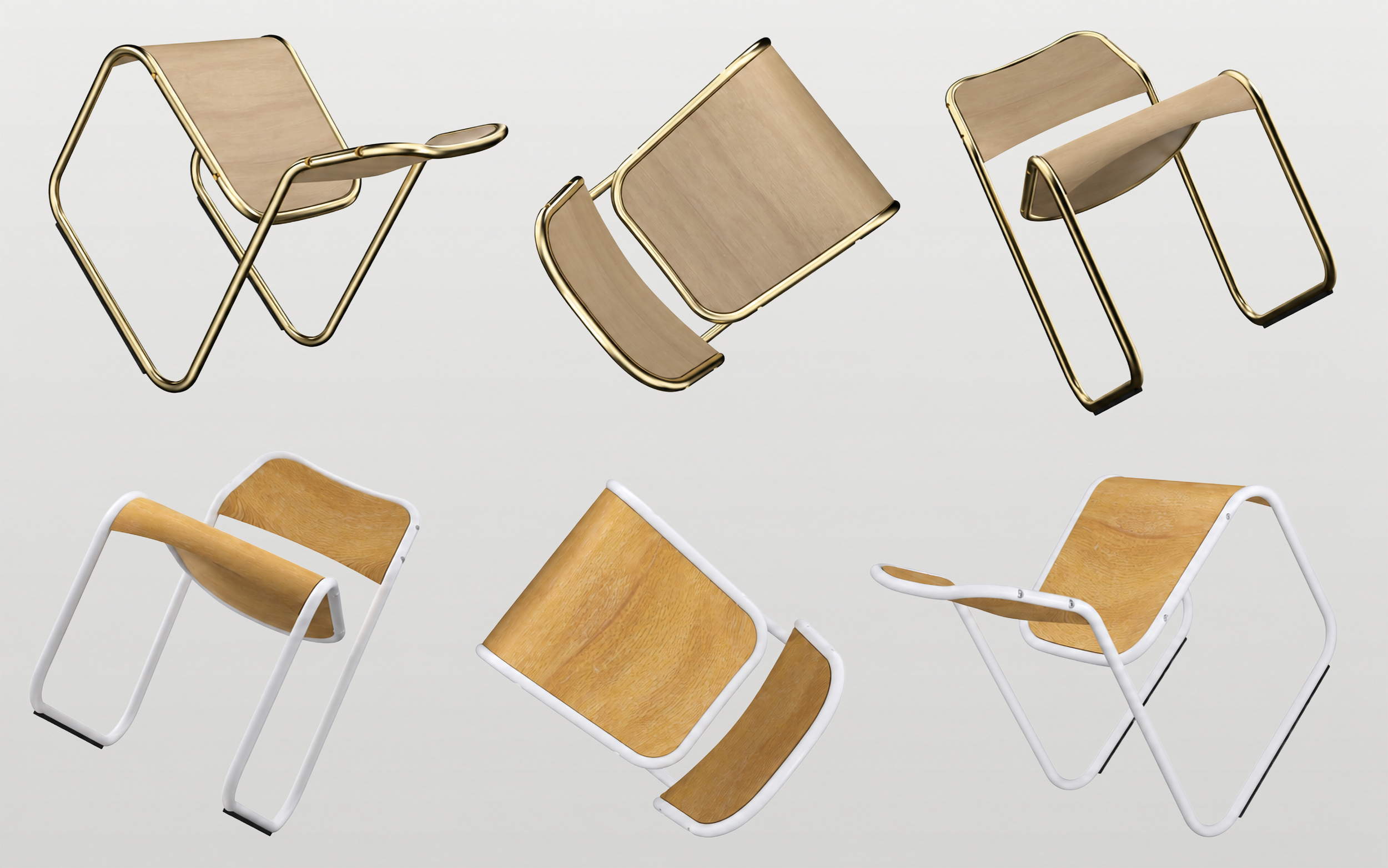
Final Design | The final chair balances the visual lightness of its tubular frame with the warmth of formed-wood surfaces. Two CMF directions explore distinct expressions: natural birch with brass for a warmer, more elevated character, and white oak with a white powder-coated frame for a cleaner, more casual feel.
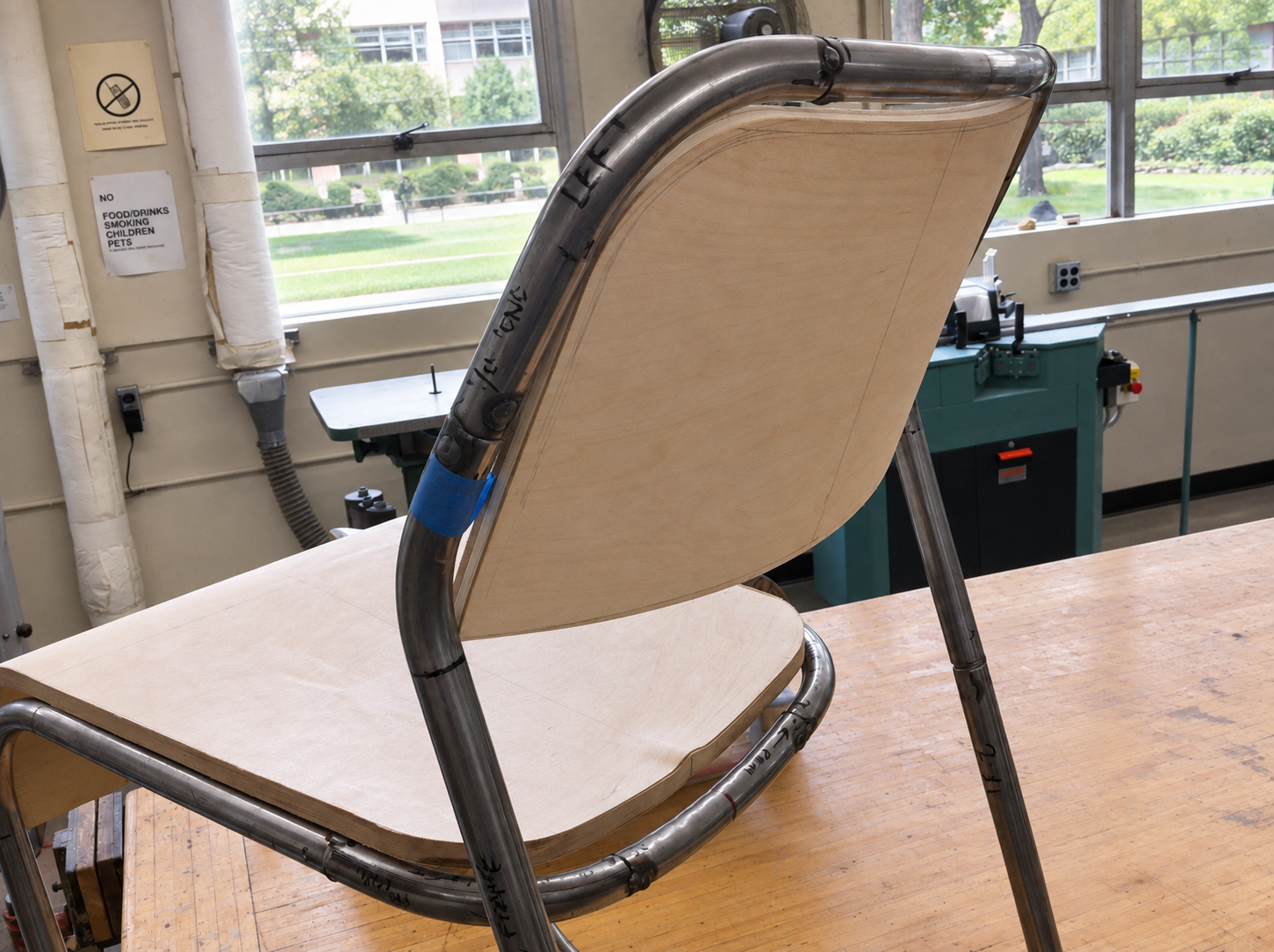
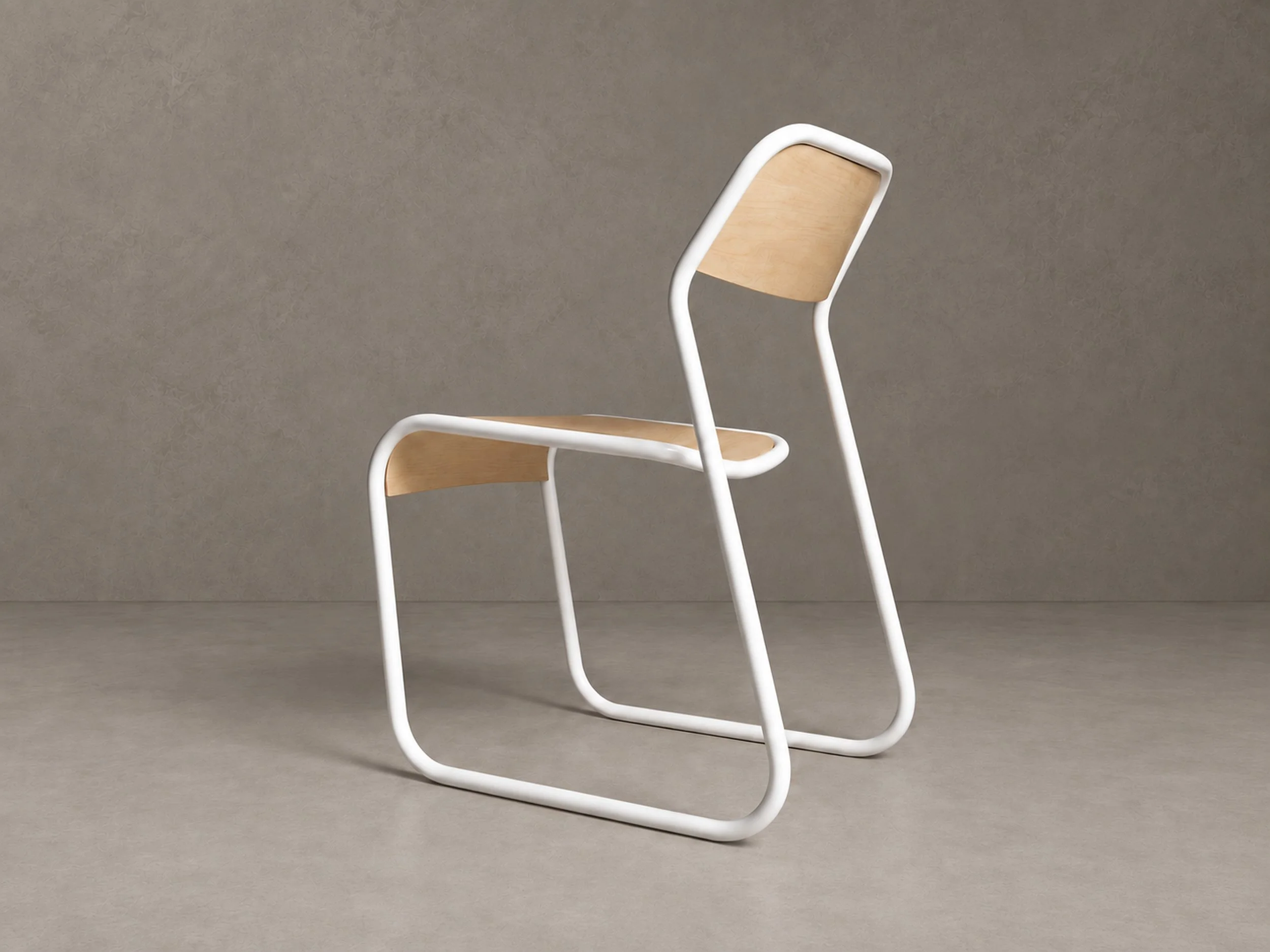
Soma Chair Prototype | The cantilevered frame uses the natural elasticity of 4130 chromoly steel to allow controlled movement under load. Its bend geometry directs weight into the front legs while allowing the seat and back to flex slightly and adapt to different sitting positions.
FEATURES
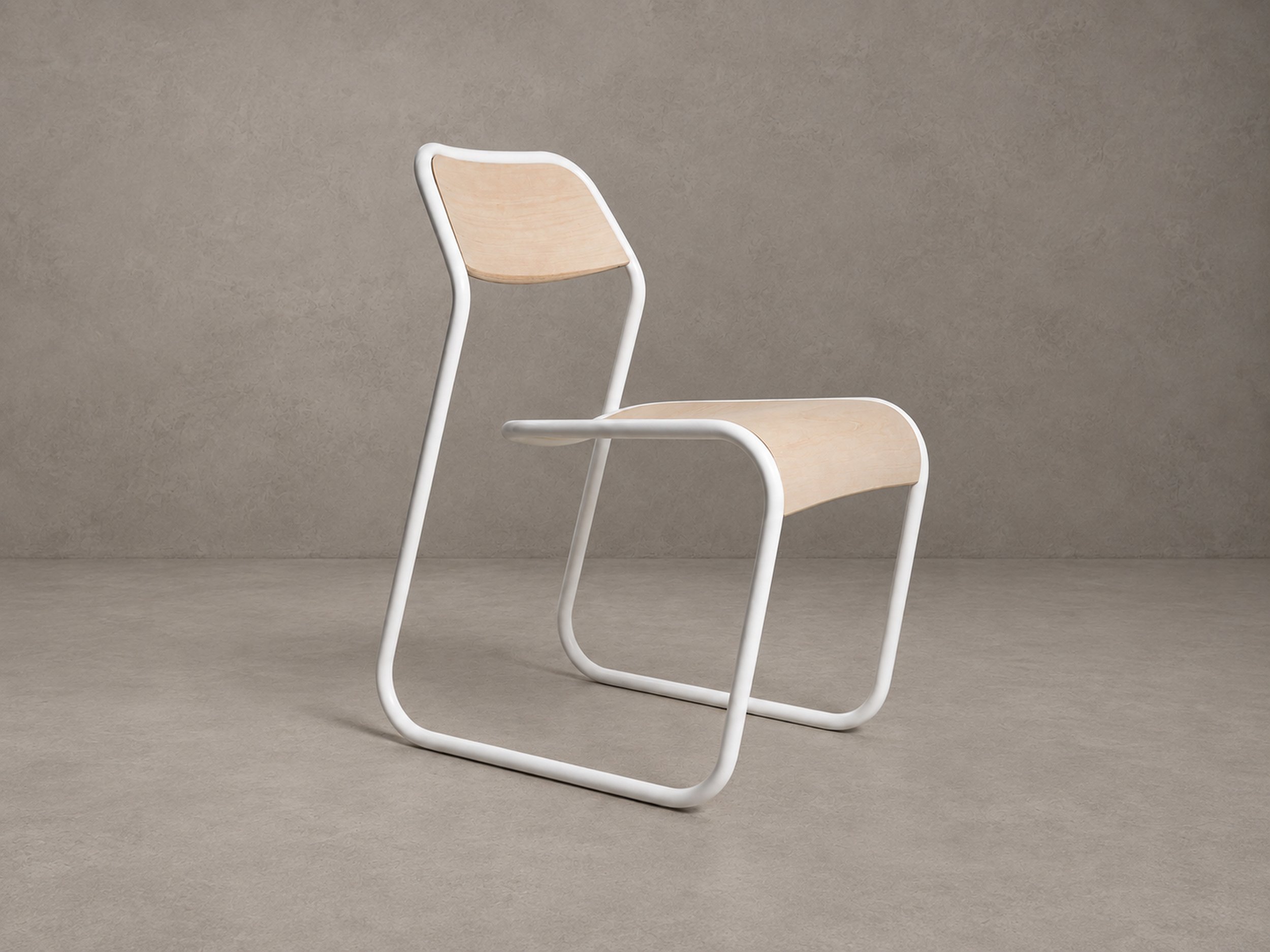
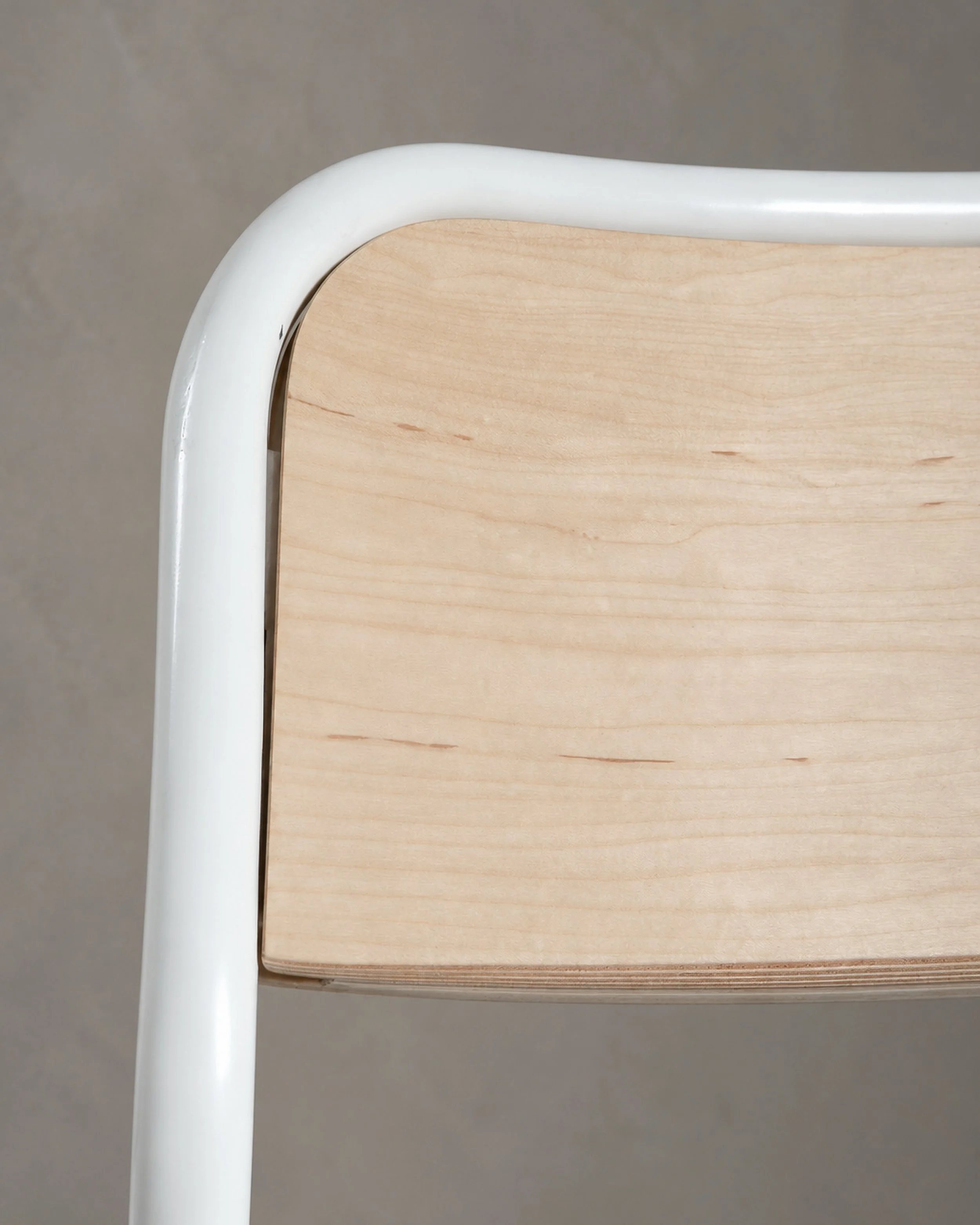
Frame: 7/8-inch-diameter, .065-inch-wall 4130 chromoly tubing; mandrel bent, MIG welded, and finished in low-gloss white enamel
Seat: 5/8-inch-thick vacuum-formed maple veneer, hand-shaped with a raw finish
Back: 1/2-inch-thick vacuum-formed maple veneer with a poplar core, hand-shaped with a raw finish
Attachment: Integrated slotted channels with no exposed hardware
Load testing: Prototype tested to 280 pounds
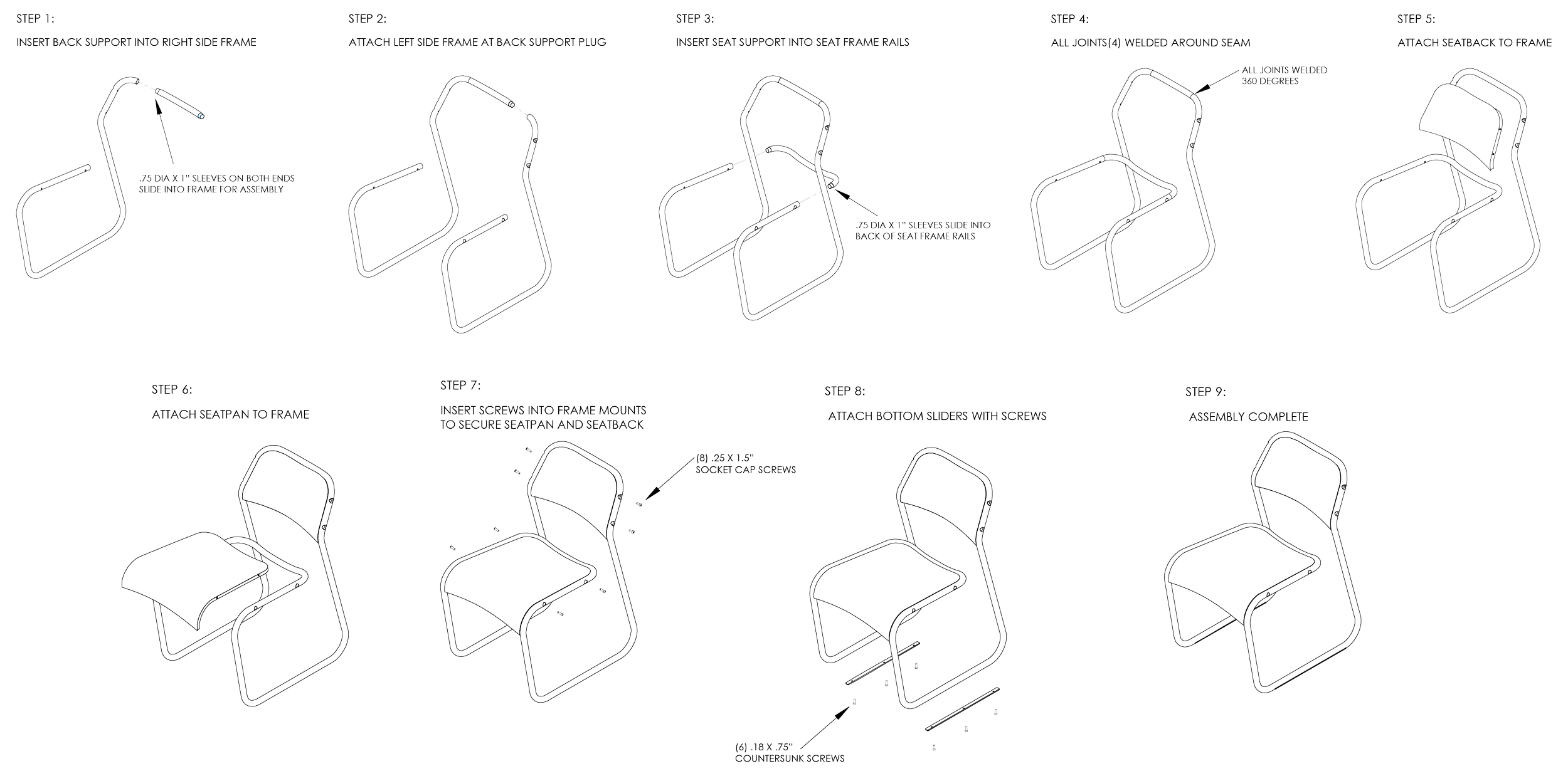
Construction & Assembly | The final assembly was divided into bent tubular side frames, back and seat supports, formed wood panels, and replaceable floor glides. Sleeved joints located the frame sections for welding, while mechanical fasteners secured the seat and back panels and allowed them to be removed or replaced.